
Wake County Court Records Search
Wake County court records are maintained by the Clerk of Superior Court in Raleigh. Wake County is the most populous county in North Carolina with over one million residents. Raleigh serves as both the state capital and the county seat. The court system here is one of the busiest in the state. Wake County court records cover criminal cases, civil suits, estate matters, and much more. You can search these records online through the state eCourts portal or visit the courthouse in downtown Raleigh for full access to case files.
Wake County Clerk of Superior Court
The Wake County Clerk of Superior Court is at 300 S. Salisbury St in Raleigh. This is the central office for all court records in the county. Staff handle new filings, store case files, and issue copies of court documents. You can reach the clerk by phone at (919) 792-4000.
Wake County serves a large area that includes Raleigh, Cary, Apex, Wake Forest, Garner, Holly Springs, Fuquay-Varina, Knightdale, Morrisville, and Wendell. All court cases for these cities and towns go through the Wake County clerk office. The courthouse in downtown Raleigh is easy to reach by car or bus. Staff can search records by name or case number. Bring your ID when you visit.
As the state capital county, Wake County has a high volume of cases. The clerk office processes thousands of new filings each year. Criminal, civil, family, and estate matters all flow through this office. Walk-in visits are welcome during business hours. Call ahead for complex requests so staff can prepare the files you need.
Wake County was one of the pilot counties for the North Carolina eCourts system. This means many Wake County court records were among the first to go digital in the state. The eCourts system has made it faster and easier to search court records from Wake County and across North Carolina.
The Wake County Sheriff's Office website offers details on law enforcement services in the county.
Visit the Wake County Sheriff's Office website for records and services.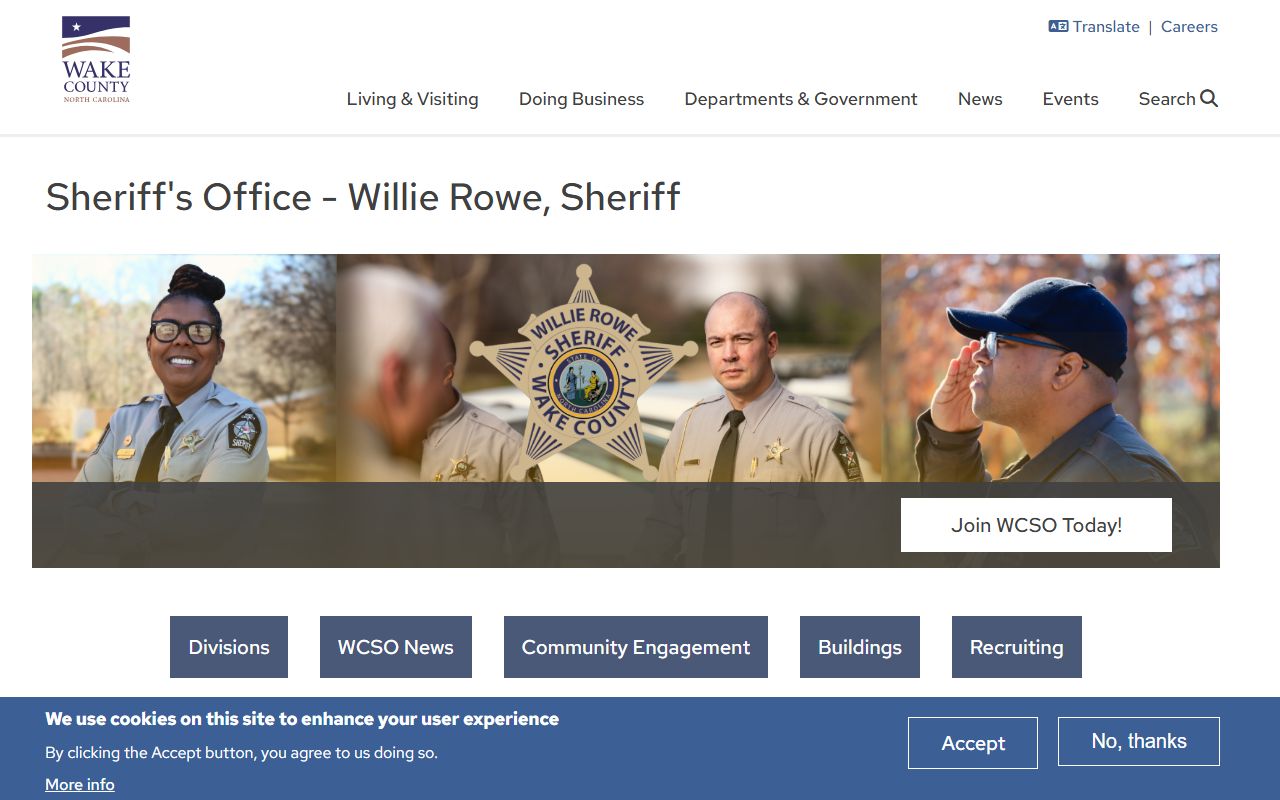
The sheriff and the clerk work hand in hand. Arrest records from the sheriff become court records once charges are filed. Both offices serve the Wake County justice system but keep separate sets of files.
| Court |
Wake County Clerk of Superior Court 300 S. Salisbury St Raleigh, NC 27601 Phone: (919) 792-4000 |
|---|---|
| Hours | Monday through Friday, 8:00 AM to 5:00 PM |
| Website | nccourts.gov/locations/wake-county |
How to Search Wake County Court Records
There are two main ways to search court records in Wake County. You can search online or visit the courthouse in person. Online searches are fast and free for basic case data. In-person visits give you access to the full case file and let you get copies right away.
The North Carolina eCourts portal at portal-nc.tylertech.cloud/Portal/ lets you search court records from all counties. Wake County was a pilot county for this system, so it has strong digital coverage. Enter a name or case number to find Wake County records. The portal shows case type, charges, filing dates, court dates, and outcomes. It is free for basic searches.
Wake County handles cases from Raleigh, Cary, Apex, Wake Forest, and all other towns in the county. All of these cases are filed at the clerk office in Raleigh. Whether the case started in Apex or Garner, the record is at 300 S. Salisbury St. The eCourts system makes it easy to search without knowing which town the case came from.
To get the best results when searching Wake County court records, keep these tips in mind:
- Use the full legal name of the person you are searching for
- Have the case number ready if you know it
- Try both criminal and civil search options
- Check for name spelling variations and middle names
- Narrow your search with a date range if you get too many results
For full documents such as motions, orders, or judgments, you must contact the Wake County clerk office. The online portal shows case summaries but not every page in the file. You can visit, call, or send a written request to get copies of specific documents from Wake County court records.
Note: The eCourts portal may not include very old cases that were filed before the digital system launched in Wake County.
Wake County Criminal Court Records
Criminal records make up a large share of the court files in Wake County. The county covers Raleigh and many growing suburbs. This means the court system handles a high volume of criminal cases each year. Charges range from traffic violations to drug offenses to violent felonies.
Misdemeanors and traffic cases go to District Court. Felonies go to Superior Court after a grand jury indictment. The clerk stores records from both courts at the courthouse in Raleigh. Each criminal case file shows the charges, arrest details, bond amounts, court dates, motions, plea information, and the final disposition.
Most criminal court records in Wake County are public under Chapter 132 of the General Statutes. Anyone can request to view them. You can search online through the eCourts portal or visit the clerk office. The Raleigh Police Department, Cary Police, Apex Police, and other local agencies all file cases that end up in the Wake County court system.
For a statewide criminal history check, the North Carolina SBI offers background checks for a fee. This covers all counties, not just Wake County. The SBI database includes arrests and convictions from across the state.
Expunged records will not show up in any public search of Wake County court records. Once a judge grants an expungement, the case is removed from public view. The clerk can confirm if a case has been expunged.
Civil Records in Wake County
Civil cases in Wake County cover lawsuits, contract disputes, debt claims, property fights, and a wide range of other matters. Small claims up to $10,000 go through magistrate court. Larger civil cases go to District or Superior Court. The clerk files and stores all civil records at the Raleigh courthouse.
Wake County sees a very high volume of civil filings. The large population and business activity in the Raleigh area drive many of these cases. Each civil case file shows the complaint, answer, motions, orders, and the final judgment. These records are open to the public under state law.
Civil judgments in Wake County can create liens on property. The clerk can search by name to check for liens and judgments. The Superior Court handles the biggest civil disputes. If you need to verify a lien or judgment in Wake County, the clerk office in Raleigh is the place to go.
Family law cases also fall under civil records. Divorce filings, custody orders, and domestic violence protective orders all create court records in Wake County. The basic case information is public, though some details about children or finances may be restricted.
Note: Civil cases in Wake County may take months to resolve, so the file is updated as the case moves through the system.
Wake County Sheriff Records
The Wake County Sheriff handles law enforcement for areas outside city limits. The sheriff office is at 330 S. Salisbury St in Raleigh, close to the courthouse. Call (919) 856-6900 for questions about arrests, warrants, or the county jail.
Arrest records from the sheriff become part of the court record once charges are filed. The sheriff keeps booking data, incident reports, and warrant files. For records tied to a court case, visit the clerk office. For law enforcement records that are not yet part of a court case, contact the sheriff directly.
Wake County has multiple law enforcement agencies. The Raleigh Police Department, Cary Police, Apex Police, and other local departments all handle arrests within their city limits. Once a criminal charge is filed, the case enters the Wake County court system regardless of which agency made the arrest. The clerk stores the official court record.
| Sheriff |
Wake County Sheriff's Office 330 S. Salisbury St Raleigh, NC 27601 Phone: (919) 856-6900 |
|---|---|
| Hours | Open 24 hours for emergencies; administrative office Monday through Friday, 8:00 AM to 5:00 PM |
Deputies serve court papers and carry out court orders across Wake County. They deliver summons, subpoenas, and other legal documents. The sheriff also provides security at the courthouse in Raleigh and runs the county detention center.
Court Records and Public Access
Most court records in Wake County are public. The North Carolina Public Records Act gives the public the right to view government records. Court files fall under this law. You do not have to be a party in the case to ask for access to Wake County court records.
Some records are restricted. Juvenile cases are sealed under state law. Mental health proceedings have limited access. Grand jury records are secret. Adoption records are closed to the public. For most other cases in Wake County, the records are open. Walk into the clerk office and ask to see a file. The staff will pull it for you.
Wake County generates a large volume of records each year. The clerk office has systems in place to handle high demand. The eCourts portal helps by giving the public online access to case summaries. For the full file, you still need to visit or contact the clerk office in Raleigh.
The NC Courts records page has more details on what is public and what is restricted. If you are not sure whether a record is available in Wake County, call the clerk at (919) 792-4000 before you visit.
Note: Large records requests in Wake County may take extra time due to the volume of cases processed at the Raleigh courthouse.
Getting Copies of Wake County Records
The Wake County clerk provides both plain and certified copies of court records. Plain copies work for personal review. Certified copies have the court seal and are needed for legal proceedings. Both are available at the clerk office in Raleigh.
To get copies by mail, send a written request to the Wake County Clerk of Superior Court at 300 S. Salisbury St, Raleigh, NC 27601. Include the case number, party names, and the documents you need. Add payment for copy fees. Call (919) 792-4000 to confirm current rates before you send your request.
You can also view basic case data online for free through the eCourts portal. The portal does not offer certified copies. For official documents from Wake County, you must go through the clerk office. Court forms for requests and motions are at nccourts.gov/documents/forms.
Wake County eCourts Portal
Wake County was one of the first counties in North Carolina to join the eCourts system. This digital platform replaced the old paper-based search tools. The system stores case data and makes it available to the public online. It covers criminal, civil, and other case types filed in Wake County.
The eCourts portal at portal-nc.tylertech.cloud/Portal/ is free to use. You can search by party name or case number. The results show case type, charges, court dates, and status. The system is updated as cases move through the Wake County courts.
Because Wake County was a pilot county for eCourts, the digital records here are among the most complete in the state. Many other counties followed Wake County in adopting the system. The portal works well as a starting point for any search of Wake County court records. For full documents, follow up with the clerk office in Raleigh.
Wake County Estate and Probate Records
The Wake County clerk handles estate and probate matters in addition to criminal and civil cases. When someone dies, their estate may go through the clerk office. The clerk oversees wills, probate filings, and guardianship cases. These records are stored at the courthouse in Raleigh.
Estate records show the will, the executor or administrator, an inventory of assets, and the final accounting. These files are public. You can search them at the clerk office. Guardianship records may have some limits on access to protect the ward. Wake County handles a large number of estate cases each year due to the size of the population.
Estate cases must be filed in the county where the deceased person lived. If they lived anywhere in Wake County, the case goes through the Raleigh courthouse. This includes residents of Raleigh, Cary, Apex, Wake Forest, and all other towns in the county.
Note: Estate records in Wake County have their own case numbers, separate from criminal and civil files.
Nearby Counties
These counties border Wake County. Court cases are filed in the county where the events took place. Make sure you search the right county for the records you need.